
Description
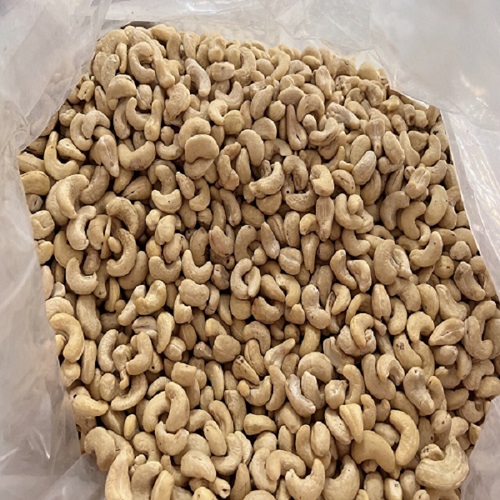
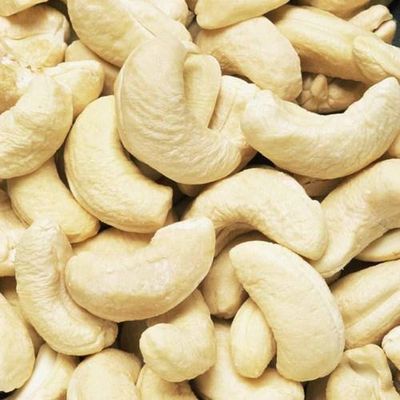
Roasted cashew nuts, a popular snack, are characterized by their creamy texture and slightly sweet, nutty flavor, often enhanced by roasting and the addition of salt. They are a good source of protein and unsaturated fats.
Here’s a more detailed look at their specifications:
- Botanical Origin: Cashew nuts are the botanical fruit of the cashew tree (Anacardium occidentale).
- Appearance: They are kidney-shaped and encased in a two-layered shell.
- Roasting: Roasting enhances their flavor and creates a desirable texture.
- Flavor: Roasted cashews have a slightly sweet, nutty flavor, often with a hint of salt.
- Texture: They are known for their creamy and slightly crunchy texture.
- Nutritional Value: Cashews are a good source of protein and unsaturated fats, offering a satisfying snack.
-
Moisture Content:
Moisture levels should be within a specific range, typically 3-5%.
-
Defects:
Defects such as insect damage, mold, rancidity, and foreign matter should be minimal.
-
Grading:
Cashew nuts are graded based on size and quality, with common grades like W160, W180, etc.
-
Roasting Process:
Roasting is typically done in hot oil, with a recommended temperature of 300-310°F (152-154°C) for about 3 minutes.
-
Storage:
Store roasted cashews in a cool, dry place, in an airtight container to maintain freshness.
- W180: A common grade, with 140-180 nuts per pound, and a moisture content of max 5%.
- W210: A grade with 440-465 kernels per KG.
- W240: A grade with 485-530 kernels per KG.
-
Food Safety:
Cashew nuts should be free from contaminants like heavy metals, pesticide residues, and aflatoxins.
-
Allergies:
Cashews are a common allergen, so individuals with nut allergies should exercise caution.
-
Authenticity:Look for signs of quality, such as a natural color, size, and taste, to ensure you are getting authentic cashews.
Reviews
There are no reviews yet.