
Description
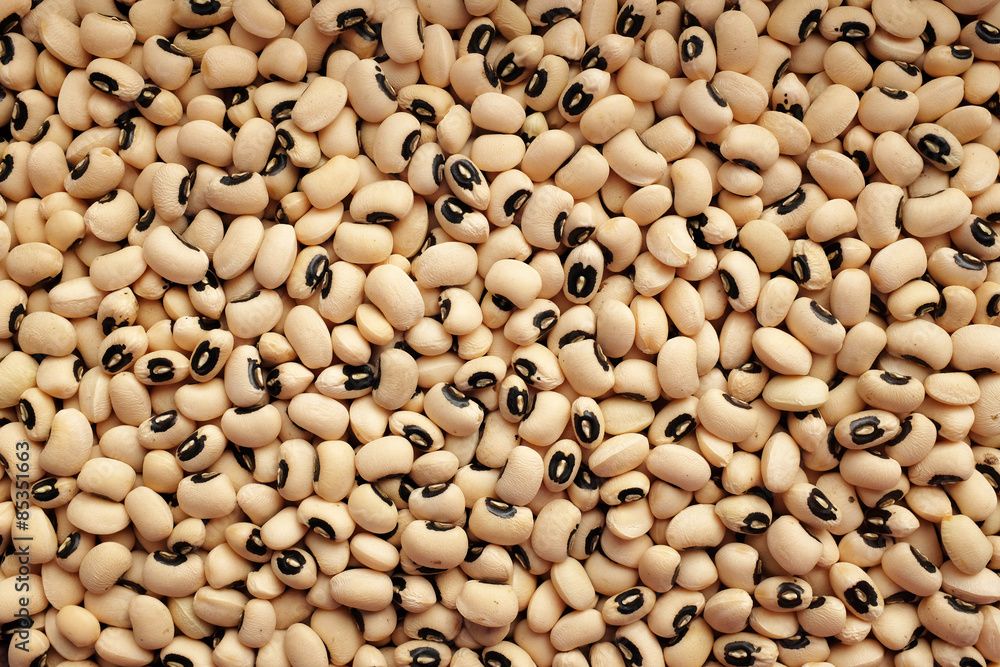
Black-eyed peas, a type of cowpea, are a legume known for their cream-colored base with a prominent black spot, and are a good source of protein and fiber.
Here’s a more detailed look at their characteristics and specifications:
Appearance and Characteristics:
- Botanical Name: Vigna unguiculata subsp. unguiculata.
- Appearance: Cream-colored with a distinctive black spot, resembling an eye.
- Texture: Firm and dense, softening when cooked.
- Flavor: Neutral, nutty, earthy, and savory.
- Size: Medium-sized beans.
- Other Names: Also known as cowpeas, goat peas, or southern peas.
Nutritional Value:
- Protein: Excellent source of protein.
- Fiber: High in fiber, aiding in digestion and promoting satiety.
- Vitamins and Minerals: Contain folate, vitamin A, calcium, iron, magnesium, and manganese.
Culinary Uses:
- Versatile: Used in various cuisines, including soups, stews, salads, and stir-fries.
- Staple in Southern Cuisine: A popular ingredient in traditional Southern dishes like Hoppin’ John.
- Good Luck: Eating black-eyed peas on New Year’s Day is a tradition in some cultures, believed to bring good luck.
Other Notable Points:
- Availability: Fresh black-eyed peas are available in mid to late summer, while dried versions are available year-round.
- Cultivation: Black-eyed peas are widely cultivated around the world.
- Drought Resistance: Black-eyed pea plants are drought-resistant and can enrich the soil.

Reviews
There are no reviews yet.