
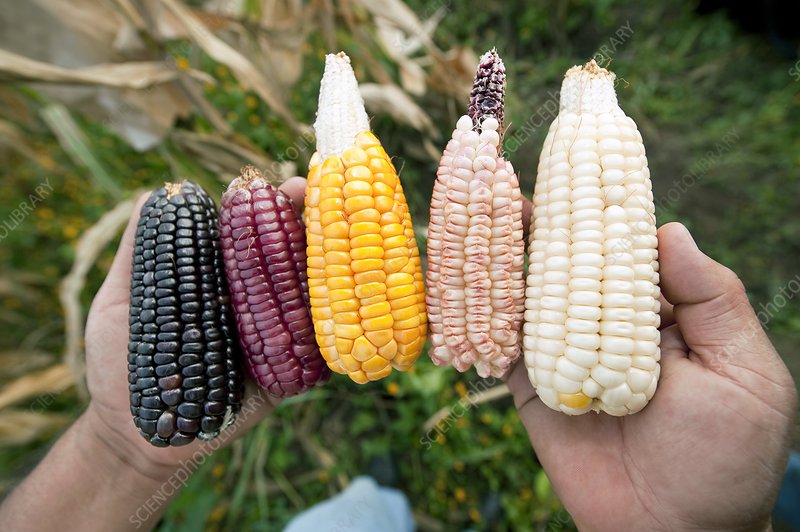
Description
White maize specifications typically focus on moisture content, protein levels, purity, and the presence of contaminants like broken, damaged, or other colored grains. Specific standards may vary depending on the intended use (e.g., human consumption, animal feed, industrial products).
White Maize Specifications for export :
- Moisture: Generally, moisture content is limited to 12.5% to 13% maximum.
- Protein: A minimum protein content of 9% is often specified.
- Purity: Purity levels typically range from 98.5% to 99.9% minimum, indicating the amount of other grains or foreign matter.
- Broken Kernels: The maximum percentage of broken kernels is usually 2% to 3%.
- Damaged Kernels: Damaged kernels, including those damaged by pests or other factors, are generally limited to 1% to 4%.
- Other Colored Grains: The presence of maize grains of other colors (e.g., yellow) is often restricted to a maximum of 2% to 5%.
- Aflatoxin: Levels of aflatoxin, a mycotoxin, are usually limited to 20 PPB (parts per billion) maximum.
- Other Specifications: Additional specifications may include requirements for ash content, fat content, and the presence of specific contaminants like Diplodia or Fusarium.
Example of Specifications:
One source lists the following specifications for white maize:
- Moisture: 13% max.
- Protein: 9.0% min.
- Purity: 99.9% min.
- Broken: 2% max.
- Damage Grain: 1% max.
- Covered Grain: 2% max.
- Ash: 1.57% max.
- Fat: 5% max.
- Aflatoxin: 20 PPB max.
Important Considerations:
-
Intended Use:
The specific specifications for white maize can vary depending on the intended use, with stricter requirements often applied to human consumption compared to animal feed.
-
International Standards:
International standards and organizations (like the African Organisation for Standardisation – ARSO) may establish their own specifications for maize.
-
Quality Control:Proper quality control measures are essential to ensure that white maize meets the required specifications.
Reviews
There are no reviews yet.